Signed where it happens
The player opts in. A registered phone or camera records the play and signs it with a key held in the device’s secure hardware. Captures from unregistered or tampered devices are rejected.
Where did this come from?
A phone or camera captures the play. The engine measures what happened.
Independent verifiers confirm it, and the signed result is published to the ledger.
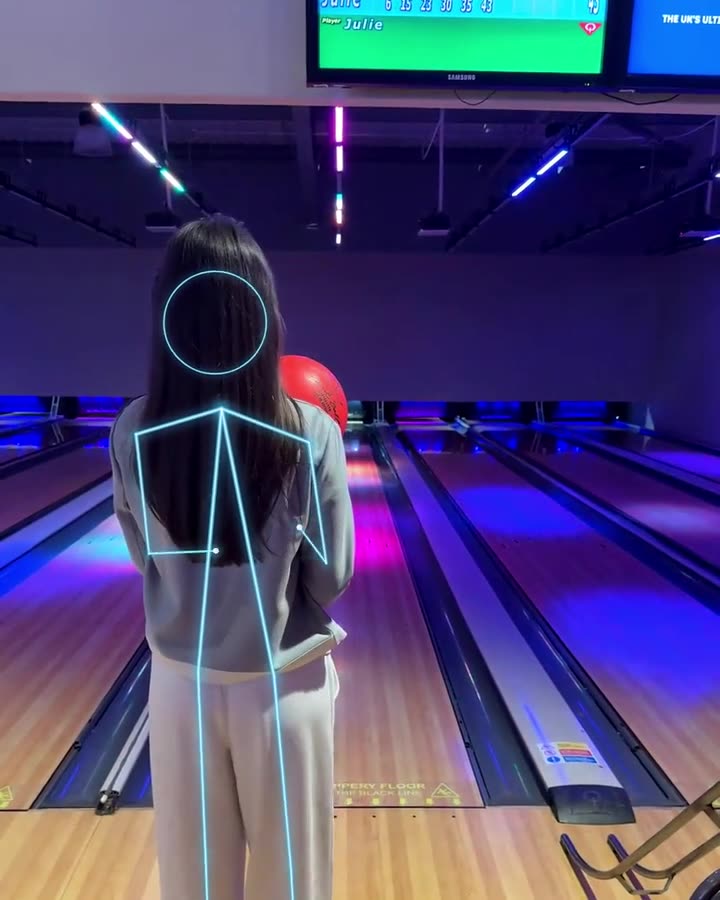
device sig · 0x03a1…7c4dmodel fsp-bowling@2.4.1weighted 0.970.97 ≥ 0.95 requiredtx 0x4b7e…a2f901 / A source you can check
Sample record bowling-001 / scroll to follow the play
The player opts in. A registered phone or camera records the play and signs it with a key held in the device’s secure hardware. Captures from unregistered or tampered devices are rejected.
The engine applies the rules of the sport: pins down, cup made, ball in or out. Where the sport measures something, it reports the value with a stated margin of error, using the calibrated geometry of that court or lane.
Low-confidence results, results that settle money and a random sample of the rest go to verifiers chosen at random. Each one answers alone, without seeing the others.
Answers are weighted by each verifier’s measured accuracy. A result closes when agreement reaches the confidence its stakes require. Disagreement brings in more verifiers, then senior verifiers.
FSN and a threshold of independent witness nodes co-sign the result before it reaches the ledger. Any later change is visible to every reader. Raw video is never published.
The engine does the heavy lifting: it finds, measures and proposes. Verifiers make the call, one short question at a time, and agreement between them decides the result.
What gets verified in each sportThe engine spots each key moment and cuts it into a short clip. It adds its best call and how sure it is, plus any measurement and its margin of error.
How many pins are standing? Did the ball hit the tin? Which cup? For a measurement, verifiers mark the frame and the spot, and the engine converts the marks into centimetres on the calibrated court.
Low-confidence calls, results that settle money and a random sample of the rest go to a group. A close call goes to a larger group. If it is still unclear, it is recorded as unresolved, never guessed.
Answers must fit the rules. In bowling, a second ball cannot knock down more pins than were standing. An answer that breaks a rule is sent out again.
Every published result carries what a reader needs to check it: the signed capture, the measurement and its margin, how verifiers agreed, and the model release that made the first call. None of it requires access to FSN or Future of Sports® systems
Open the sample recordssquash-001 / driveVerified · on ledger
calibration court-cal-0917model fsp-squash@1.8.0device sig · 0x9b2f…41c0weighted 0.96 ≥ 0.95tx 0x7c2e…19b4 · 2026-09-17 20:03 UTCA sample record, not a live result. Raw video is never published.
Four sample records, one in each state a published result can have: reviewed, prediction, corrected or unresolved. They are samples, not live events.
| Example ID | Sport | Outcome | State | Details |
|---|---|---|---|---|
| bowling-001 | Bowling | Strike | Reviewed | |
| squash-002 | Squash | Drive in, 8.4 ± 0.6 cm from side wall | Prediction | |
| tlc-003 | The Last Cup™ | Cup made (cup 6) | Corrected | |
| squash-004 | Squash | Drive, 9.8 ± 0.6 cm from side wall | Unresolved |
Raw video is never published. Records carry results and measurements only, with no participant identity.
The ledger attests every record for everyone who uses the network. Verifiers decide the result; the ledger makes it permanent
| What it does | For whom | What you can check |
|---|---|---|
| Publishes results | Sports, partners and anyone relying on a result | Device and witness signatures, review state, any later correction |
| Records ownership | License holders | Which verified holder owns each license, and the transfer rules |
| Settles payments | Verifiers and license holders | USDC payouts, and the Treasury reserve balance at any time |
Many verifiers. One agreed result.
Minors need verifiable parental consent, and their data is never licensed onward. Ratings and performance data belong to the player; no individual scores go to employers, schools, insurers or governments.